Homemade Brown-and-Serve Rolls: Fresh Bread Anytime
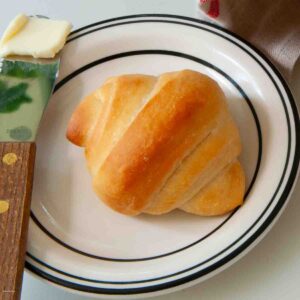
This recipe yields light, airy, and slightly sweet dinner rolls that you can easily mix in your bread machine. Shape them by hand and par-bake days or weeks in advance. Store the rolls in the refrigerator or freezer and bake them just before serving for maximum freshness.
16
rolls
Ingredients
- 1 cup (227 9) milk
- 1 large (50 g) egg
- 3 tablespoons (36 g) granulated sugar
- 1 teaspoon table or sea salt
- ¼ cup (57 g) unsalted butter, chopped finely
- 3 cups (360 g) unbleached all-purpose flour
- 2 teaspoons instant or bread machine yeast
Instructions
Dough:
- Place 1 cup milk, 1 large egg, 3 tablespoons granulated sugar, ¼ cup unsalted butter, chopped finely, 1 teaspoon table or sea salt, 3 cups unbleached all-purpose flour, and 2 teaspoons instant or bread machine yeast into your bread machine pan in the order listed. Select the DOUGH cycle and press START.
- Select the DOUGH cycle and press START.
- Check the dough at least twice during the mixing and kneading phase by lifting the lid to take a peek. First Time: look immediately after the machine starts mixing to ensure the paddles are engaged correctly. The dough should start to form a ball. Second Time: Look again 10-15 minutes into the DOUGH cycle to assess the consistency of the dough. The dough should stick to the side, then pull away cleanly.Too wet? Add flour one tablespoon at a time allowing time for absorption between each addition.Too dry? Add one tablespoon of liquid at a time until the dough looks just right. Read more about this surprising secret to success with a bread machine here.
- The dough should double in size by the time the DOUGH cycle ends.
Shaping the rolls:
- Transfer dough to a floured surface and knead lightly. Form into one large ball, then divide in half to make two smaller balls.Divide in half, then roll each into an 8x10-inch rectangle.Cut each ball into 8 triangles (yields 16 balls) and roll each into butterhorn shapes. (See pictures in the post.)Place on a greased or parchment-lined baking sheet.
Par-baking:
- Let the rolls rise until they are almost doubled. Preheat your oven to 275˚F (140˚C).
- Brush the rolls with melted butter and bake for 20 minutes. Do not brown, but make sure they cook all the way through. The internal temperature should reach 190˚F (88˚C).Remove the rolls from the oven, brush them with butter, and let them cool for 5 minutes on the tray. Using a spatula, carefully remove them to a cooling rack. Let them cool for an hour before placing them into a plastic bag, preferably double-bag for the best protection. Refrigerate 3-4 days or freeze up to two weeks. (I like to be conservative with the time.)
Final Bake (Browning):
- If frozen, you can choose whether to allow the rolls to thaw or bake them straight out of the freezer. Position the rolls on a baking sheet and brush with melted butter. Bake in a preheated oven at 425˚F (220˚C) for 8-10 minutes or until golden brown. Brush the rolls with butter one last time and serve immediately.
- If refrigerated, position the rolls on a baking sheet, brush the rolls with melted butter, then bake in a preheated oven at 425˚F (220˚C) for 8-10 minutes or until golden brown. Brush the rolls with butter one last time and serve immediately.
Notes
Directions for making bread with a stand mixer or by hand:
Using a Stand Mixer:
- In a heavy-duty stand mixer, add the ingredients to the bowl in the specified order.
- Begin mixing on low speed until all the ingredients are moistened.
- Switch to a dough hook attachment and increase the speed to 2 or 3.
- Continue beating/kneading until the dough becomes smooth and elastic, typically about 5-10 minutes.
- Cover the dough and let it rise in a warm place.
- Once risen, gently deflate the dough and shape it as the recipe directs.
- Combine all the ingredients in a large bowl until they form a shaggy ball.
- Turn the dough out onto a floured surface.
- Knead the dough with your hands until it becomes smooth and elastic, which may take around 10-20 minutes, depending on your experience.
- Place the dough ball in a greased bowl.
- Cover the bowl and allow the dough to double in size.
- After rising, gently deflate the dough and shape it according to the recipe's instructions.
Nutritional Information
Serving: 1roll | Calories: 136kcal | Carbohydrates: 21g | Protein: 4g | Fat: 4g | Saturated Fat: 2g | Polyunsaturated Fat: 0.3g | Monounsaturated Fat: 1g | Trans Fat: 0.1g | Cholesterol: 20mg | Sodium: 158mg | Potassium: 65mg | Fiber: 1g | Sugar: 3g | Vitamin A: 121IU | Vitamin C: 0.03mg | Calcium: 24mg | Iron: 1mg